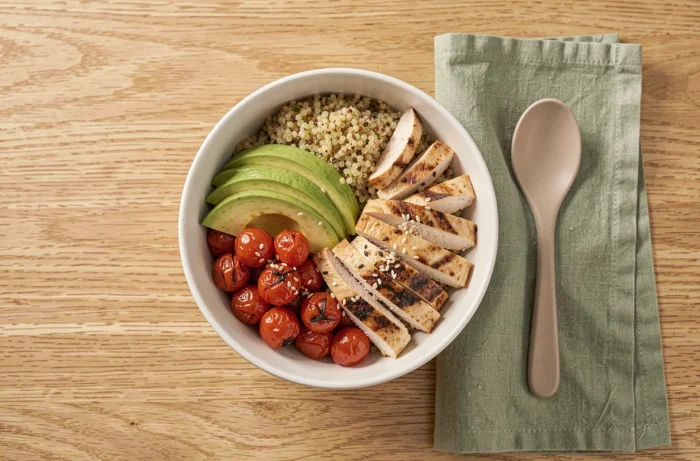
Preparing a balanced lunch every day is less about willpower and more about method. The real barrier for most people is not the lack of recipes: it’s the lack of guidelines for putting together a meal that is nourishing without falling into monotony. Here’s how to build tasty and healthy lunches based on a few simple principles that can be applied both at home and at the office.
Legumes and whole grains: the forgotten foundation of a balanced lunch
Have you ever noticed that a plate of white pasta leaves you feeling tired an hour later? The reason lies in the glycemic index. Refined grains release their energy very quickly, then nothing.
In contrast, whole grains release their energy gradually. Quinoa, bulgur, brown rice, or spelt provide a much more stable base for the day. Pair them with legumes (lentils, chickpeas, red beans) and you get a plant-based protein intake that easily replaces meat in a meal.
This combination is not a nutritional gimmick. In school catering, regulations now require at least one vegetarian menu per week. Successful collective kitchens rely precisely on the grain-legume duo, seasoned correctly. If a cafeteria can make it tasty for children, an adult with a pan and ten extra minutes can do better.
You can for example explore MYN Idee for your lunch to find tested and detailed combinations.
Dish acceptability: why seasoning matters more than the ingredient list
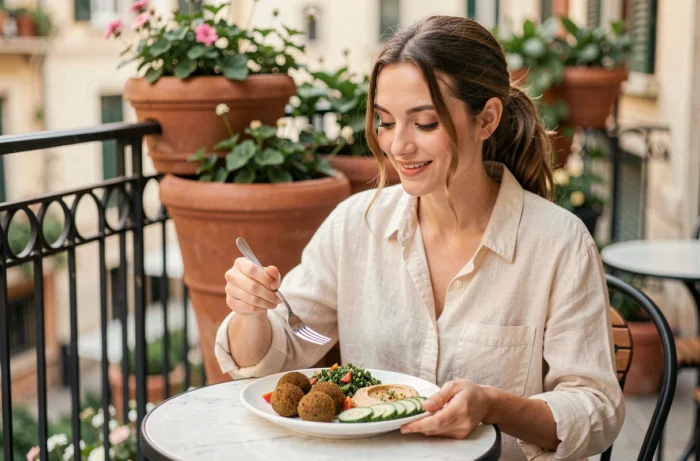
Experience in school catering shows a counterintuitive finding: cooking and seasoning determine a dish’s success more than its composition. Overcooked, bland vegetables without herbs or spices end up in the trash, even if they tick all the nutritional boxes.
Applied to your lunches, the principle is the same. A bowl of coral lentils with turmeric, coconut milk, and fresh coriander is nothing like plain reheated lentils. The difference in preparation time is negligible. The difference in enjoyment is considerable.
Here are some concrete tips to enhance your balanced dishes without adding empty calories:
- Fresh herbs (parsley, chives, basil) add freshness and allow you to reduce salt without losing flavor
- Spices like cumin, smoked paprika, or ginger transform a vegetable dish into a complete and flavorful recipe
- A drizzle of olive oil, sesame oil, or walnut oil added after cooking preserves aromas and provides good quality fats
- Lemon juice or a spoonful of balsamic vinegar at the end of preparation brightens dull flavors
A healthy dish that you don’t enjoy eating won’t nourish you for long. Acceptability takes precedence over nutritional perfection because a balanced lunch abandoned after three days is pointless.
Three lunch recipes to take away without loss of quality
Transport poses a practical problem that cookbooks often overlook. Some dishes oxidize, soften, or lose their texture between preparation and mealtime. Here are three formulas designed to withstand travel and reheating.
Quinoa bowl with roasted chickpeas and seasonal vegetables
Cook the quinoa the day before. Roast chickpeas in the oven with a bit of paprika. Add raw or barely blanched vegetables (cucumber, radishes, grated carrots in summer, roasted squash in winter). Everything keeps well in the refrigerator and can be eaten cold or warm.
Quinoa doesn’t stick when reheated, unlike rice which hardens. This is a real technical advantage for transported meals.
Vegetable frittata with oats
Oats aren’t just for morning porridge. Incorporated into a frittata with zucchini, onions, and a bit of cheese, they add fiber and a fluffy texture. A frittata can be cut into portions, transported in an airtight container, and eaten cold.
Green lentil salad with beetroot and seeds
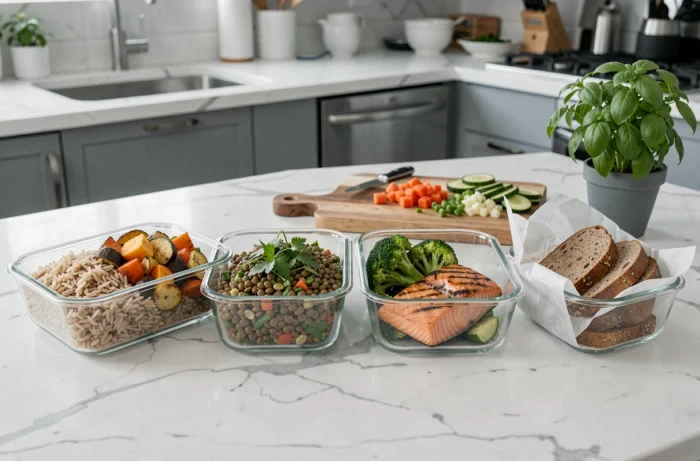
Green lentils hold their shape several hours after cooking. Mix them with diced beetroot, pumpkin or sunflower seeds, and a mustard vinaigrette. The seeds add crunch and fatty acids that the salad alone does not provide.
Reducing waste to eat better without spending more
A rarely addressed lever in articles about balanced dishes: reducing food waste mechanically improves meal quality. In collective catering, establishments that separately measure leftovers left on plates and prepared but unserved food manage to adjust their quantities and reinvest the saved budget into better ingredients.
At home, the principle works the same way. Preparing the right amount of grains and legumes for two or three days avoids waste. Using carrot tops in pesto or broccoli stems in soup means cooking an extra meal with what would have ended up in the trash.
- Plan three lunches in advance rather than five: beyond that, fresh ingredients degrade
- Freeze individual portions of cooked legumes for busy weeks
- Reuse dinner vegetables in the bowl or salad for the next day’s lunch
This logic of mindful cooking also applies to fruits. An overripe banana becomes the base for a chocolate chia seed pudding for dessert or a snack. Damaged fruits can be turned into quick applesauce without added sugar.
Building balanced lunches daily relies on three concrete choices: a whole grain-legume duo as a foundation, seasoning that genuinely makes you want to eat the dish, and quantity management that avoids waste. The rest, recipes and variations, naturally follows from these three pillars once they are in place.