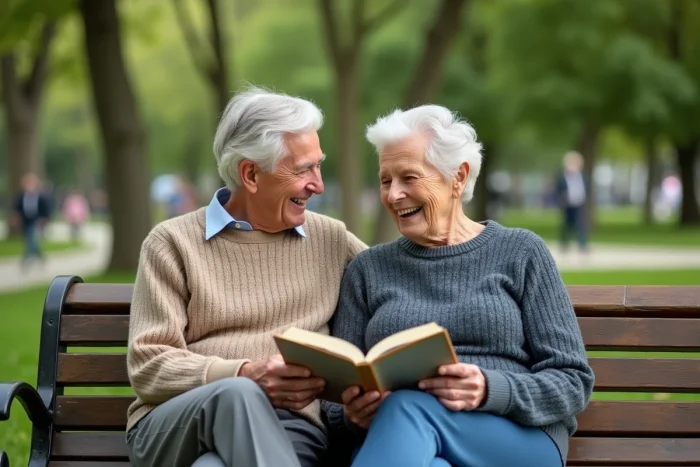
Staying socially active after 65 reduces the risk of cognitive decline by 30%, according to several epidemiological studies. However, nearly one-third of retirees stop all associative or volunteer activities within two years of ending their careers.
The habits adopted in the first few months strongly influence well-being in the following years. A balance between rest, intellectual stimulation, and engagement fosters lasting satisfaction. Recommendations from professionals highlight the importance of a structured agenda, specific goals, and a maintained social network.
Retirement: a new adventure to imagine according to your desires
The transition to retirement represents a new stage of life. It is a time that opens the door to regained freedom, but it also raises a host of questions. In a society marked by both increased life expectancy and rapid changes in habits, everyone finds themselves rethinking their priorities and reinventing their lifestyle. Nearly 17 million seniors currently live in France, each with their own story, expectations, and unique approach to this new retirement life.
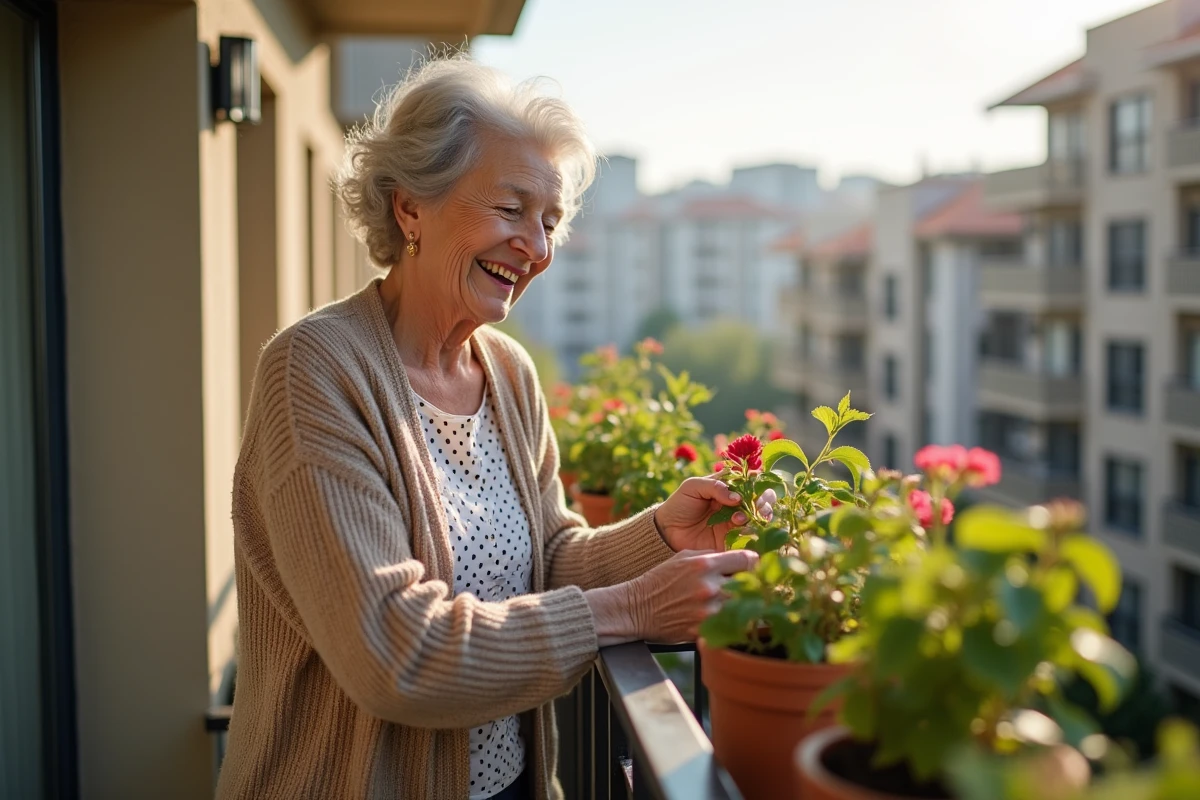
Some choose a return to the land: gardening, rediscovering forgotten skills. Others invest their time in associative life, volunteering, or exploring artistic expression. The learning of a new language or signing up for cultural workshops is gaining ground, all means of stimulating curiosity, memory, and maintaining a strong connection with the rest of the world.
To navigate this change smoothly, it is best to take it step by step. Start by making a list of what you would like to explore, try out different activities, meet new people, without neglecting the need to balance commitments and breathing time. The website https://www.vismaviedesenior.fr/ offers numerous testimonials and resources to illuminate these transitions, illustrating the variety of paths and the richness of shared experiences.
Here are some ideas for approaching this period with energy and pleasure:
- Rethink your daily rhythm to fully enjoy retirement
- Maintain your social connections to stimulate well-being and mental health
- Explore new horizons, whether through travel, training, or local engagement
What truly makes people happy after 65?
Retirement, far from being just a pause, becomes a time of reinvention. Seniors, according to surveys by Drees, primarily value the strength of family ties. Reuniting with children, sharing special moments with grandchildren, passing on memories: family provides a solid foundation to fully enjoy life and keep everyone’s memory alive.
The well-being of those over 65 also involves preserving physical and mental health. Walking every day, gardening, attending adapted gym sessions: these simple yet regular practices help maintain mental health and keep age-related worries at bay. Taking care of oneself also means staying curious: embarking on learning a language, signing up for online courses, or getting into photography or genealogy.
To cultivate this well-being, several concrete levers are available to you:
- Maintain regular connections with loved ones
- Engage in suitable physical activity
- Get involved in activities that stimulate memory
- Participate in local or associative life
For many, social usefulness is also a source of daily satisfaction. Engaging, sharing, being recognized: mutual aid, listening, and passing on skills often come up in testimonials collected by associations and specialized platforms. To fully enjoy retirement, it is wise to rely on the activities available for seniors, workshops, conferences, cultural meetings, which are true engines of personal and collective fulfillment.
Concrete ideas to stay active, curious, and surrounded over the years
After transitioning to retirement, staying active is not insurmountable. The image of the isolated senior no longer fits reality: France is full of solutions to stimulate the body and mind. Focusing on suitable physical activity such as walking, gentle gymnastics, or swimming helps preserve mobility and avoid loss of autonomy. Local initiatives, sometimes supported by the personalized autonomy allowance (APA), make these activities accessible to all.
Curiosity energizes this new stage of life. Joining an artistic workshop, attending conferences, enrolling in a language course: every opportunity to learn nourishes memory and strengthens social ties. Libraries, intergenerational universities, and cultural associations then become privileged spaces for sharing and exchanges for all types of seniors.
Here are some concrete avenues to explore:
- Participate in cultural outings in groups
- Discover a new gentle sport
- Initiate shared meals around a balanced diet
- Engage in memory workshops or board games
- Get involved in a local collective project
The surroundings make a difference: cultivating intergenerational ties, inviting neighbors or friends to join a walk or activity, all contribute to a richer daily life. For those facing difficulties, the APA and sometimes personalized housing assistance (APL) can support the desire to live at home without giving up a social life. Fully enjoying retirement life also involves the ability to envision new projects, to test, to undertake, and to savor this regained freedom. Every day, a new chapter is written: it is up to each person to choose the colors of their canvas.