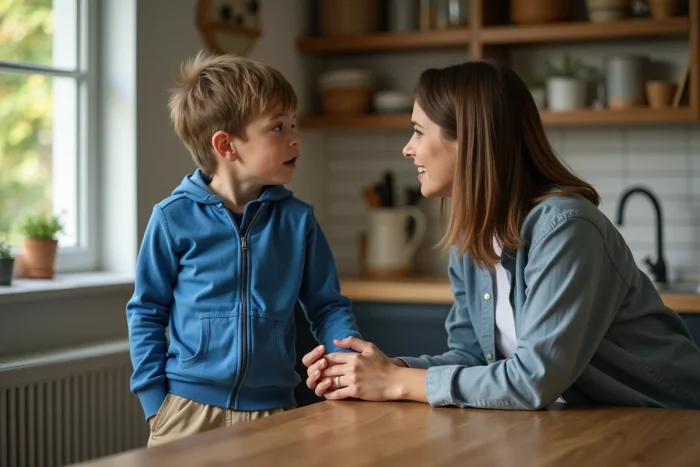
One in three children reports feeling a high level of stress in school, according to the latest public health surveys. Specialists find that persistent anxiety at school impacts not only academic success but also long-term social and emotional well-being.
Some signs, though subtle, often escape the attention of adults. Simple solutions exist to limit the consequences of this daily pressure and help children regain a sustainable balance.
Why school stress affects so many children today
In French schools, school stress has become an undeniable reality. It is neither a simple phase nor a whim; it is a very real pressure fueled by the fear of failure, the dread of bad grades, and the constant scrutiny of others. Parents and teachers oscillate between being a support and, sometimes unwittingly, a relay for this ambient anxiety.
The triggers are numerous: pressure for results, peer judgment, bullying, mockery, difficulties in integration, or misunderstandings with certain teachers. Child psychiatrist Nicole Catheline explains that school anxiety takes root with the repetition of these situations. The body reacts without warning: palpitations, a surge of cortisol, trembling hands. Many children try to hide, to endure, until the stress sometimes overflows into school phobia or depression.
Occasional stress can stimulate the desire to learn, but if it becomes persistent, it blocks momentum and undermines confidence. Adult behavior proves to be decisive: a parent’s anxiety is transmitted, while a teacher’s understanding reassures. Addressing school stress requires much more than ready-made solutions: the entire educational community must get involved.
To gain clarity, Maman au Quotidien’s solutions detail concrete pathways to help each child overcome this spiral and regain their balance. Understanding the mechanisms, identifying the signals, choosing an appropriate method: every action counts in the balance of school well-being.
What signs should alert parents and how to spot them daily
The first vigilance lies in careful observation of daily life. A child who complains of headaches, shows unusual fatigue, or is reluctant to go to school is not simply expressing weariness. School stress often infiltrates through subtle manifestations: a tight stomach in the morning, diminished appetite, disturbed sleep. Among the most common signals, sleep disorders draw attention. Difficulties falling asleep, frequent awakenings, struggles to get out of bed: these are signs not to be minimized.
Changes in behavior are equally revealing. A previously outgoing child may become silent, isolate themselves, or react strongly to the slightest frustration. Sudden outbursts of anger, persistent sadness, irritability, or a tendency to withdraw should raise concern. Others, on the contrary, mask their anxiety behind unusual restlessness or provocative behavior. Add to this difficulties in concentration, a tendency to forget, or a lack of motivation towards homework: all of this indicates a discomfort that requires listening and attention.
Here are the warning signs to look out for to intervene in time:
- Stomach ache or tight throat before leaving for school
- School refusal or persistent crying in the morning
- Isolation or unusual silence at home
- Difficulties concentrating and loss of interest in learning
- Physical symptoms without an identified medical cause
Pay attention to these manifestations, even if subtle. The child’s emotions deserve to be acknowledged: fear, anger, sadness, discouragement. Opening a dialogue, without judgment and with patience, fosters trust. In the face of persistent doubt, consulting a professional is essential. Spotting these signs early can prevent the development of school phobia or depression, two possible consequences of prolonged stress.
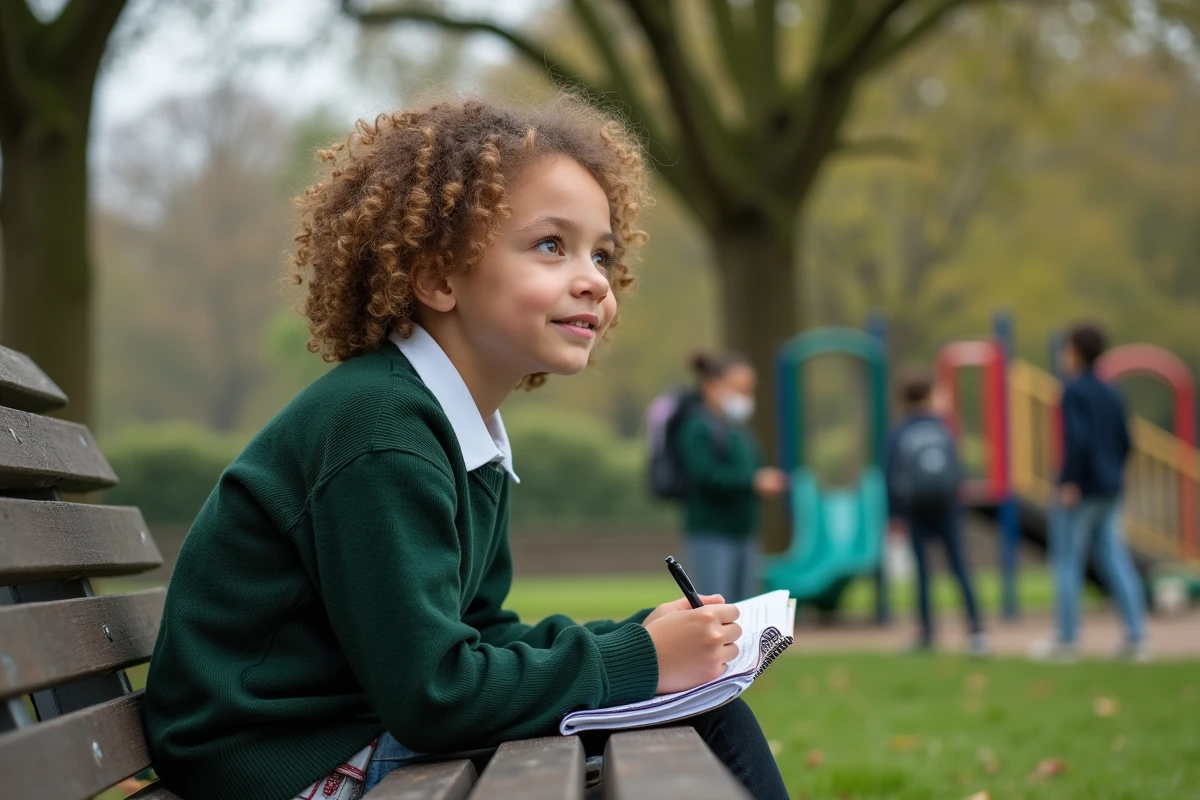
Concrete and easy solutions to support your child calmly
Supporting a child experiencing school stress begins with listening. The first step: establish a regular dialogue without judgment to help them articulate their emotions and fears. Talking helps to relieve pressure and gradually restore confidence. Sincere encouragement and recognition of small successes boost motivation and reinforce self-confidence.
To create a calming and reassuring environment, you can implement various habits:
- Establish clear routines: waking up, meals, study time, and bedtime. This stability reassures and provides solid reference points.
- Make physical activity a daily appointment, even if brief: walking, biking, playing ball. Movement stimulates the production of endorphins that promote relaxation and better sleep.
- Introduce relaxation with simple breathing or mindfulness exercises. In Vaucresson, for example, a school offers three minutes of collective meditation every day. Students close their eyes, breathe, and thus regain their calm before resuming classes.
Do not underestimate the power of leisure and play: they balance daily life and allow learning through enjoyment. Music soothes, humor lightens the atmosphere, and massage, tested in some schools, promotes relaxation and respect for others. Encouraging autonomy from a young age helps the child strengthen their confidence and face academic challenges.
Kindness and empathy manifest through simple gestures: listening without interrupting, offering help without imposing, recognizing efforts above all. Gradually, more and more teachers in France are adopting these approaches, convinced that learning flourishes better in an environment where each student progresses at their own pace.
This path to calm is not a magic formula, but every step counts. Sometimes, all it takes is a word, attentive listening, or a simple change of habit to transform school into a space where growing up once again rhymes with confidence.