
Mathilde is one of those names you recognize instantly, with no doubt about how to pronounce or spell it. Borne by medieval queens and contemporary actresses alike, it has stood the test of time. Behind the gentle sound of this feminine name of Germanic origin lies a warrior-like etymology that often surprises parents.
The Germanic etymology of Mathilde: two roots, one martial meaning
The name Mathilde comes from the Old High German Mahthildis. It breaks down into two elements: maht (power, strength) and hild (battle). Together, they literally mean “she who is powerful in battle.”
This linguistic construction is nothing unusual for a medieval name. Many Germanic names combine an idea of strength with a warrior context. Brunehilde (battle and armor) and Clotilde (glory and battle) follow the same pattern.
What sets Mathilde apart is the longevity of this particular form. While Brunehilde has almost disappeared from birth records, Mathilde has endured thanks to several historical figures who carried it across Europe. To explore the origin and meaning of Mathilde in more depth, its journey from the Middle Ages to the present day reveals a rare ability to reinvent itself without changing its form.
Saint Mathilde of Ringelheim and the name’s historical roots
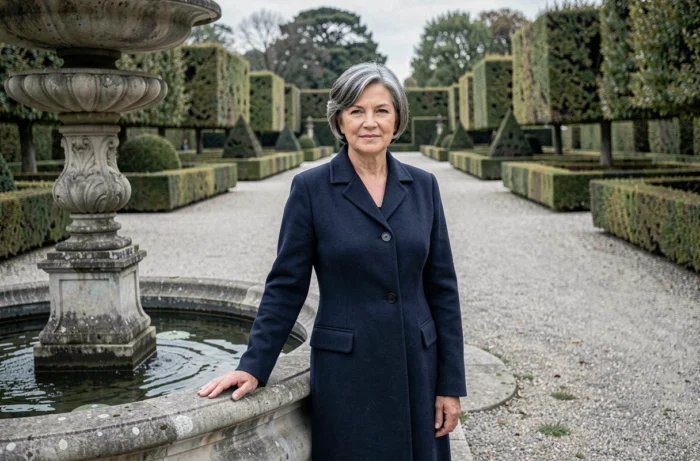
Wondering why Mathilde’s name day falls on March 14? The date commemorates Saint Mathilde of Ringelheim, Queen of Germany in the 10th century. The wife of King Henry I of Saxony, she is remembered in Christian tradition for her generosity toward the poor and for founding monasteries.
Her influence extended beyond religion. By giving the name royal standing, she helped spread it through European courts. Mathilde of Flanders, wife of William the Conqueror in the 11th century, carried its influence further into England and Normandy.
This association with nobility partly explains why Mathilde has retained an elegant connotation. The name was never confined to a particular social class, but its history gives it a patina that more recent names lack.
Mathilde’s popularity in France: a peak followed by a clear decline
INSEE data make it possible to trace Mathilde’s trajectory precisely. In 2025, 420 girls were given this name, placing Mathilde at No. 131 among girls’ names. The trend is clearly downward, with a decline of around 45% over five years.
This drop comes after a period of strong popularity. Mathilde enjoyed a real surge in the 1990s and 2000s, riding the wave of classic names making a comeback. Parents who chose Mathilde at the time wanted a recognizable name that was neither too common nor too unusual.
A classic cycle in the history of names
This pattern (a gradual rise, a peak, then a decline) is nothing unusual. Most names follow a bell-shaped curve over several decades. Mathilde is not on the verge of disappearing; it is simply in a quieter phase. Names with deep historical roots tend to return after a generation or two in the doldrums.
By comparison, the English form Matilda is following the opposite trajectory in the United States. According to Social Security Administration data cited by Nameberry, it rose from No. 438 in 2023 to No. 365 in 2025. The same name can therefore be declining in one country while gaining ground in another.
International variants of Mathilde: a name with many faces
One point that standard name guides often gloss over: Mathilde does not have just one spelling. Depending on the country and language, the name changes in form and pronunciation, and sometimes in how it is perceived.
- Matilda: the English and Nordic form, currently rising in the United States and ranking highly in Australia and England
- Matilde: a variant used in Italy, Spain, and Portugal, with a slightly different stress pattern
- Mathilde: the dominant spelling in France, Norway, and Denmark, where the name features in national rankings
- Mafalda: the Portuguese and Italian form, made famous by the Argentine comic-strip character created by Quino
This variety of forms explains why talking about Mathilde’s “global popularity” does not make much sense. Each variant follows its own trajectory in its own cultural context. A French-speaking parent who chooses Mathilde and an English-speaking parent who opts for Matilda are drawing on different associations, even though the etymology is the same.
Name day and numerology: practical details for parents
Mathilde’s name day is celebrated on March 14, in honor of Saint Mathilde of Ringelheim. Some sources also list May 14, but the date most commonly found in saints’ calendars is in March.
In Pythagorean numerology, Mathilde has the value 9. This number is traditionally associated with altruism, idealism, and a generous spirit. These qualities also echo the historical portrait of Saint Mathilde, who was known for her charitable works.
Common nicknames and diminutives
Parents also appreciate Mathilde for the range of nicknames it lends itself to. Some of the most common include:
- Mathie or Mathi, for everyday use among family and friends
- Tilde, a more unusual diminutive that also works as a standalone name in some Nordic countries
- Maud, a historical shortened form, sometimes considered a name in its own right
Maud derives directly from Mathilde through medieval shortening. The two names share the same root, making them etymological cousins rather than simple diminutives.
Mathilde remains a name that offers parents a rare balance: a gentle sound, a strong etymology, and a long history that is still evolving. The current decline in births of girls named Mathilde in France says nothing definitive about its future. Names rooted in centuries of use have a particular knack for waiting patiently for their next cycle.