
No single form exists, no royal road opens all doors: the video game industry is the art of juggling between profiles, passions, and specialties, much more than just checking a box on an application form. Specialized schools in video games do not all require a specific baccalaureate. However, certain paths facilitate entry into the most sought-after programs. The reality on the ground is clear: professionals in the sector mainly come from two backgrounds, scientific or artistic. The choice of high school directly shapes the future path, as studios seek talents who are both strong in theory and capable of integrating into a team.
Understanding the different baccalaureate pathways to access video game careers
Before imagining working on a video game, one must start by observing their own profile and the needs of studios. Several pathways from the general and technological baccalaureate, including sciences, technologies, and design, lead to training that targets either technical skills or creativity. A general baccalaureate with a specialization in mathematics or digital sciences prepares for careers in development and programming. Those who feel more comfortable with visual creation will lean towards plastic arts or the STD2A pathway dedicated to design and applied arts.
The video game sector clearly distinguishes between: programming and technique on one side, creativity and design on the other. If your reasoning is analytical, the STI2D pathway will set you on the path of development and programming. Creative profiles will find their place in the STD2A pathway, which prepares for careers in game art and graphic design.
Schools, universities, and training programs place importance on the coherence of the educational path. A solid portfolio, built from high school through personal projects or internships, weighs heavily during selections. Knowing how to choose between programming and visual creation in video games can change the game: this orientation impacts the choice of baccalaureate, the nature of subjects studied, and the prospects of joining a studio later. Specialized programs in video games require rigor, curiosity, but above all a clear orientation, ideally starting at the end of middle school or the beginning of high school.
Programming or creation: which path to choose based on aspirations and talents?
In video games, two worlds intersect: programming, favored by methodical profiles and language enthusiasts, and creation, the playground for imaginative minds, passionate about drawing, visual storytelling, or artistic direction.
The separation is felt early in studies: becoming a video game developer requires a solid mastery of mathematics, algorithms, and languages like Python, C++, or Unity. Analysis and problem-solving are at the core of the job. Conversely, aspiring game designers and concept artists must master drawing, understand color, invent coherent universes, and bring characters to life.
Here are the families of skills to cultivate according to the chosen path:
- Technical skills: knowing how to code, reasoning logically, debugging, organizing a robust software architecture.
- Creative skills: illustrating, composing scenes, storytelling through images, imagining memorable characters and atmospheres.
The creation of a video game always relies on teamwork. Programmers and artists must learn to collaborate, understand each other, and value each other’s expertise. What makes the difference during recruitment is the ability to present a personal portfolio, projects, prototypes, and concrete achievements that reflect the uniqueness of your journey and your commitment in the field.
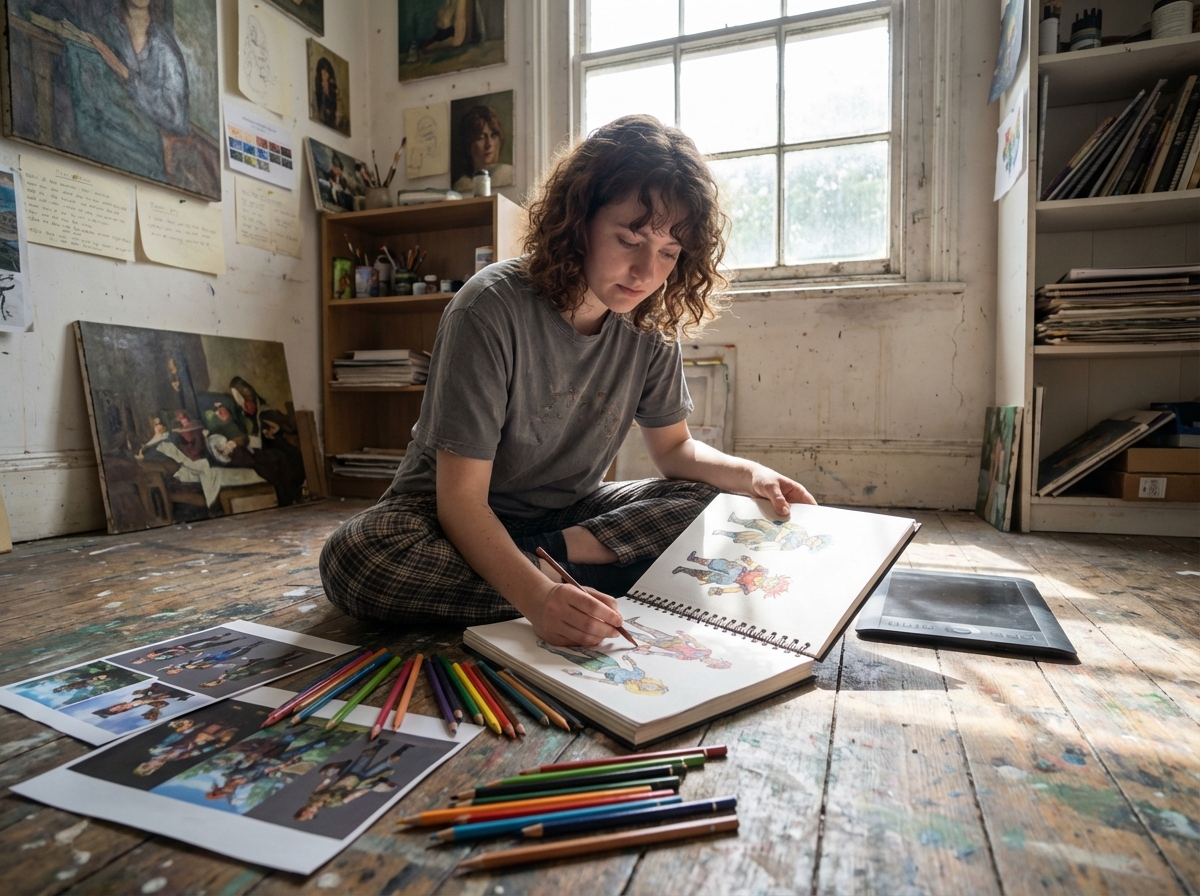
Key skills, job opportunities, and resources to succeed in video game orientation
Video game studios seek candidates who can combine technical and creative skills. The industry is organized into multidisciplinary teams where every expertise counts: technical and creative skills intersect, enrich each other, and sometimes confront each other. The common goal remains the success of the collective project.
The skills expected today are varied:
- Technical skills: mastering Maya, understanding game engines, managing production pipelines, adapting to new technologies.
- Creative skills: designing original graphics, building a strong narrative, directing the artistic aspect, enriching a universe through sound and image.
The video game market in France, whether in Paris or elsewhere, is now hiring game designers, environment artists, programmers, and project managers. The portfolio remains the key to entry: it is about showcasing concrete achievements, stemming from collective or personal work, that prove your understanding of professional challenges.
To best prepare for orientation, it is wise to rely on online educational resources, participate in specialized forums, attend workshops offered by schools, and listen to testimonials from industry professionals. The ability to work in a team, evolve with tools, and defend a unique vision proves to be a true asset for building a long career in the world of video games.
At the intersection of technical talents and pure creativity, the video game pathway imposes a structuring choice as early as high school. Specializing early, exploring, confronting the realities of the sector, is already beginning to play by the rules of a constantly reinventing universe.