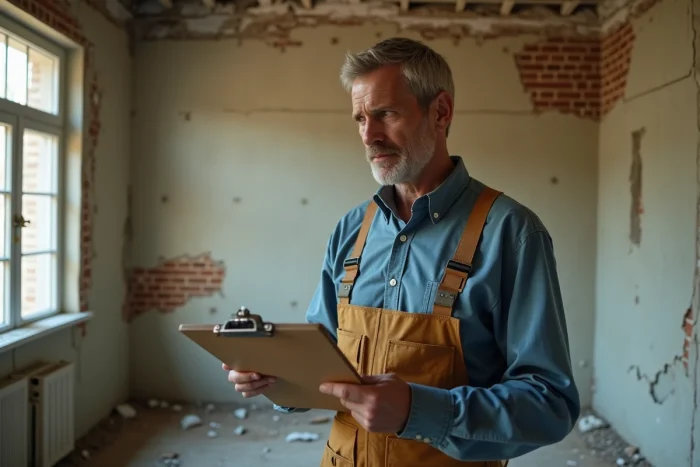
A property remains liable for taxation, even if it is empty, dilapidated, and without running water for months. As long as the owner does not present a solid case, the administrative routine continues, unyielding, as if reality had not flinched.
Presenting a damaged house is never enough in front of the tax administration. The verdict relies on indisputable evidence: expert reports, bailiff’s reports, dated photos, invoices for major repairs. Improvisation rekindles the interest of the tax authorities. To contest property tax, housing tax, or tax on vacant properties, it is better to clearly prove that the dwelling has become unusable, without detours, without approximation.
Uninhabitable housing: the red line of the administration
The tax services do not linger on notions of comfort. The real breaking point is the impossibility of living on-site, with supporting evidence. Hazard order, official unsanitary conditions, at-risk building, prohibition of entry: any situation of this kind must be documented impeccably. There is no room for ambiguity.
In France, INSEE counts more than three million vacant properties. In Paris as well as in Lille or in tense areas, the requirements rise a notch. It only takes one piece failing to convince for the request to be rejected. Water cut-offs, faulty electrical installations, condemned sanitary facilities, and absent radiators must be demonstrable, not just recounted. To learn how to build a robust case, consult this comprehensive file: proof of an uninhabitable house according to Flash Immobilier.
Documents to gather: what the administration really requires
To justify vacancy or uninhabitability before the administration, here are the essential documents:
- Hazard or unsanitary order issued by the town hall, proving the uninhabitable condition.
- Report from an independent expert, documenting the actual impossibility of living there.
- Bailiff’s report accompanied by photos, anchoring the condition of the property in time.
- Dated photos clearly showing cut electricity, unusable bathroom, or total lack of heating.
- Invoices for significant repairs: if their amount approaches a quarter of the property’s value, the argument carries weight.
Gathering this evidence leaves no room for approximation. The file is sent via the secure messaging system of the portal impots.gouv.fr. The agents of the public finance center verify the consistency of the dates, the accuracy of the reports, and the actual nature of the uninhabitability. An omission, a disputed document, and the tax returns without delay.
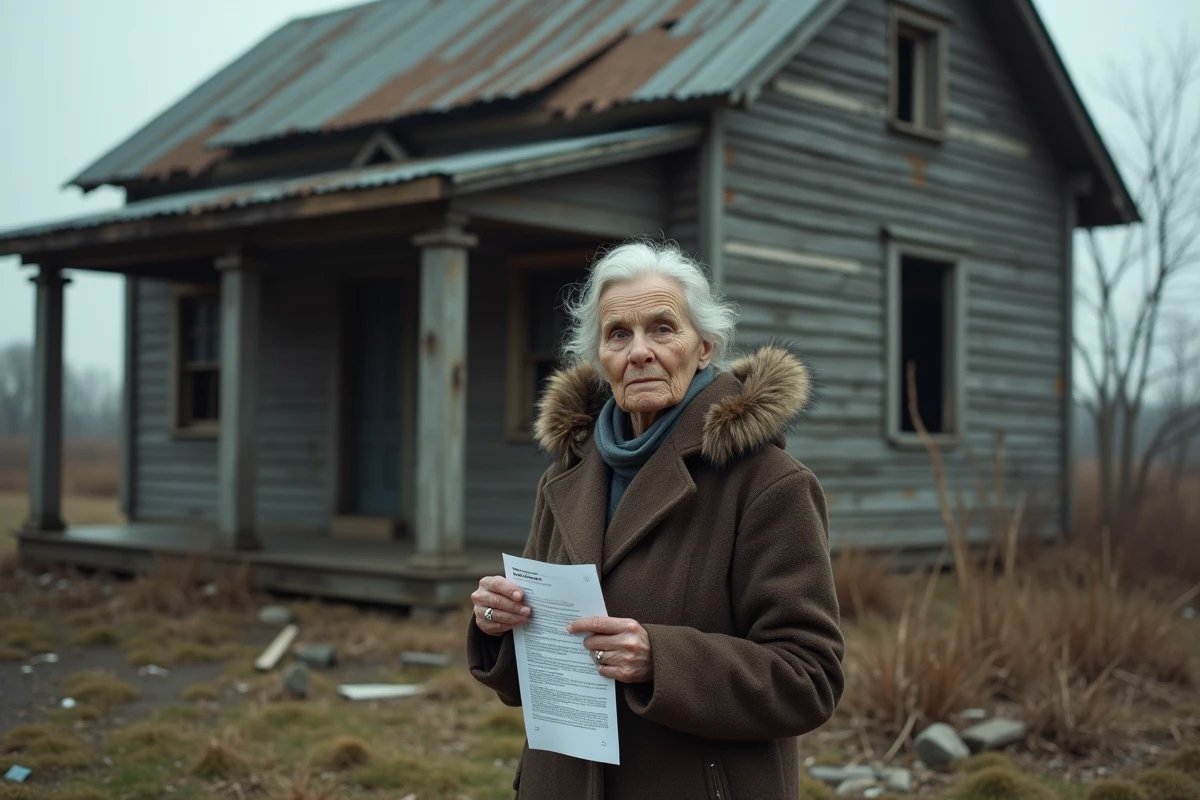
Tax procedure, disputes: do not miss the key steps
The tax notice arrives, head to impots.gouv.fr to declare each property specifying whether it is occupied, vacant, or uninhabitable, regardless of the situation: primary residence, secondary residence, or property affected by works or a disaster. After division, renovation, or disaster, the Cerfa 6704 form must be accompanied by each supporting document: photos, reports, invoices.
If the tax center rejects or delays processing the file, it is better to send a written request to the individual tax service. Adding a second expert opinion or a new bailiff’s report can sometimes change the outcome. If necessary, the matter is disputed before the administrative court.
Failing to declare the vacancy results in a double penalty: retroactive recovery of the tax, plus a fine of 150 euros per property, not to mention cumulative increases. Building a solid case avoids these inconveniences.
The France services spaces assist those who fear getting tangled in the procedures: compiling the file, assistance with the declaration, and proofreading the documents. The support of these offices limits errors and secures the process.
Ultimately, once the decision is made, the owner no longer views their house as a fiscal abstraction or an administrative puzzle. They regain their share of serenity and, sometimes, the prospect of reviving a place that seemed forgotten by meters and calendars.